3 Aug 2026
Biometric Innovations Streamline Secure Entry for Real-Money Gaming on Smart Devices
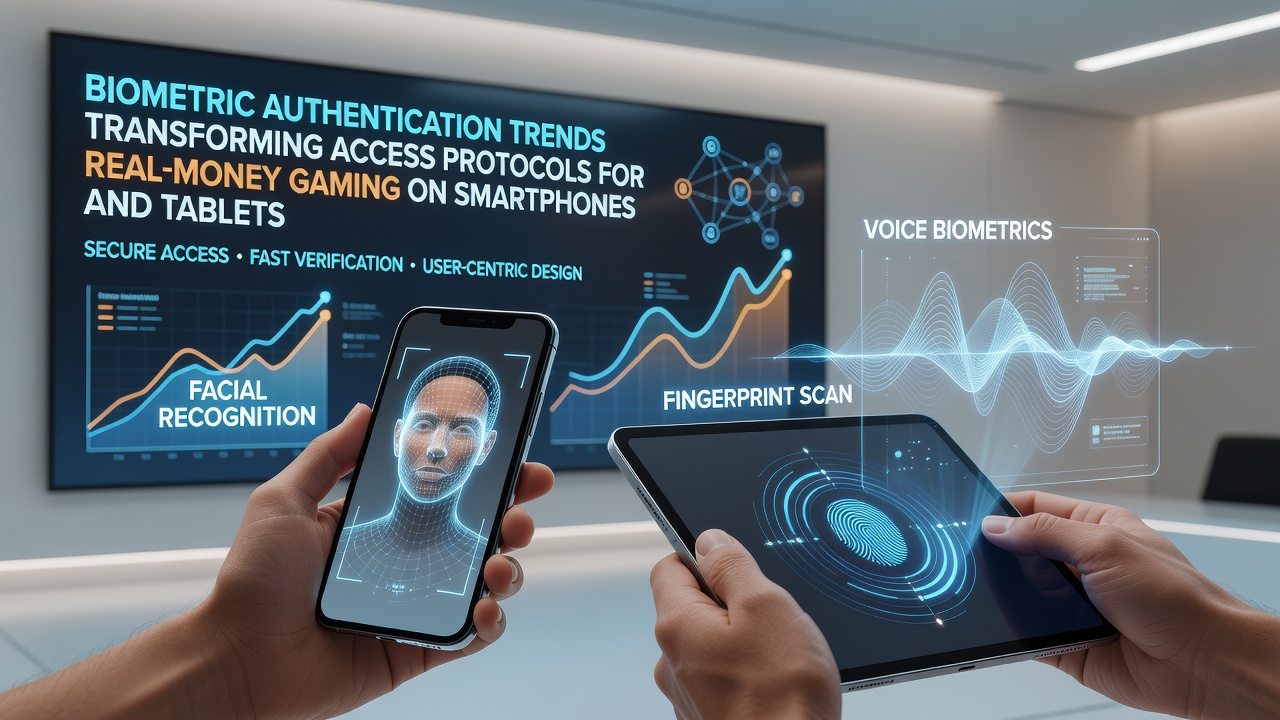
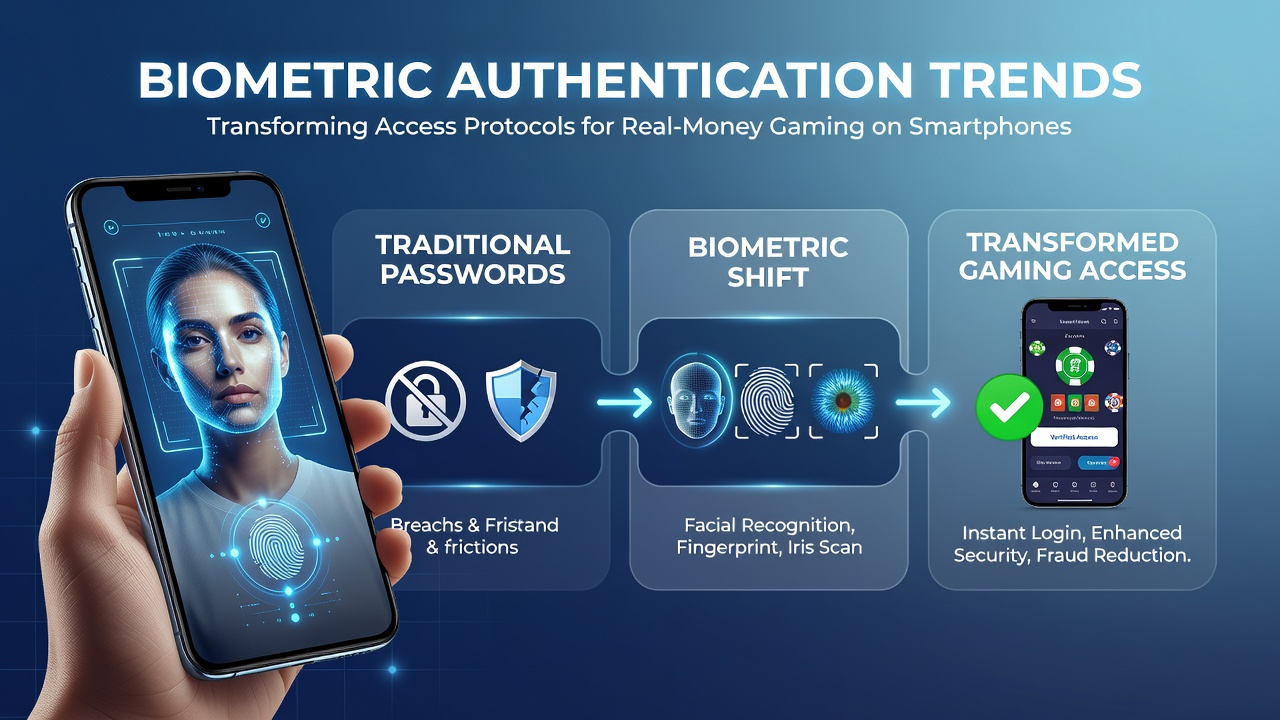
Biometric authentication continues to reshape how users access real-money gaming platforms on smartphones and tablets, with fingerprint scanning, facial recognition, and behavioral analysis replacing traditional passwords in many applications. These methods verify identity through unique physiological or behavioral traits, which reduces friction during login sequences while meeting security requirements set by various regulatory frameworks. Data compiled in August 2026 shows increased adoption rates across mobile gaming sectors, driven by hardware advancements in consumer devices and integration with operating system protocols.
Core Technologies Driving Current Implementations
Fingerprint sensors embedded in device displays or side buttons now handle rapid verification for account access, and facial recognition systems utilize infrared cameras plus depth mapping to confirm user identity even in varied lighting conditions. Behavioral biometrics add another layer by tracking patterns such as swipe speed, typing rhythm, and device handling angles, which creates continuous authentication throughout gaming sessions. Researchers at institutions including those affiliated with the National Institute of Standards and Technology have documented accuracy improvements in these systems, noting error rates dropping below 1 percent in controlled tests for fingerprint and facial modalities combined.
Voice recognition appears in select applications as a supplementary option, though it sees less widespread deployment compared with touch-based or visual methods because background noise in mobile environments can interfere with consistent performance. Multi-modal approaches, where devices combine two or more biometric signals, gain traction because they balance speed with higher assurance levels required for financial transactions in gaming environments.
Integration Patterns Across Major Platforms
Developers embed biometric prompts directly into app launch sequences, allowing players to authorize deposits or withdrawals with a single glance or touch rather than entering lengthy credentials. Tablet users often encounter the same protocols optimized for larger screens, where facial recognition performs particularly well due to improved camera positioning during seated play. Operating system updates released through 2025 and into 2026 have standardized biometric APIs, which enables smoother cross-device continuity when users switch between phones and tablets while maintaining session security.
According to reports from the National Institute of Standards and Technology, standardized testing frameworks help application providers evaluate biometric performance against defined thresholds for false acceptance and rejection rates. Industry groups such as the International Association of Gaming Regulators track how these technologies align with jurisdictional rules governing player verification and responsible gaming measures.
Regulatory and Security Considerations
Regulators in multiple regions require documented evidence that biometric systems resist spoofing attempts, including presentation attacks using photos, masks, or synthetic replicas. Developers respond with liveness detection techniques such as micro-movement analysis and thermal sensing, which confirm the presence of a live subject during each verification event. Data protection laws in the European Union and Australia mandate clear consent processes and secure storage of biometric templates, typically as encrypted mathematical representations rather than raw images.
Security audits conducted through mid-2026 reveal that well-implemented biometric protocols reduce account takeover incidents compared with password-only systems, although vulnerabilities can emerge if device-level protections like screen locks are bypassed. Continuous monitoring tools now flag unusual behavioral deviations even after initial biometric login succeeds, triggering additional checks when risk scores rise.
Future Trajectory and Adoption Metrics
Projections based on hardware shipment data indicate that over 80 percent of new smartphones and tablets entering markets by late 2027 will include multiple biometric sensors as standard features. Gaming operators update their access protocols accordingly, testing new modalities such as palm vein scanning on emerging foldable devices. Training datasets used to refine algorithms expand through anonymized contributions, which improves performance across diverse demographic groups and reduces bias in recognition accuracy.
Device manufacturers collaborate with gaming software providers to embed biometric options at the firmware level, shortening authentication times to under two seconds in many cases. These efficiencies support higher session volumes without compromising the verification standards expected in real-money environments.
Conclusion
Biometric authentication trends continue to influence access protocols for real-money gaming on smartphones and tablets through hardware integration, standardized testing, and regulatory alignment. Figures from August 2026 confirm ongoing expansion of these methods alongside improvements in accuracy and anti-spoofing capabilities. As device capabilities advance and cross-platform compatibility increases, the emphasis remains on balancing user convenience with robust security measures that protect both players and operators.