30 Jul 2026
Device Profiling Techniques Shape Custom Incentive Systems in Mobile Betting Environments

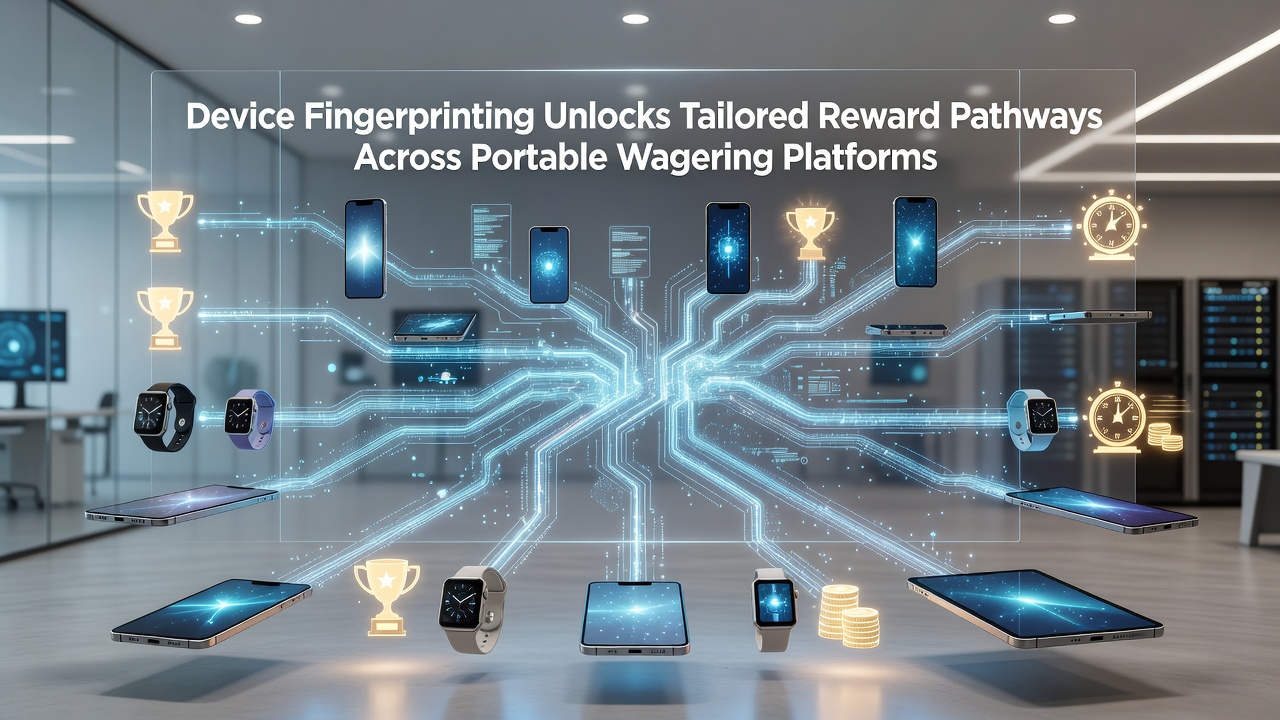
Device fingerprinting collects unique hardware, software, and behavioral signals from smartphones and tablets to create persistent user profiles without relying on cookies or logins, and this approach has expanded rapidly across portable wagering platforms since the mid-2020s.
Core Mechanics Behind Fingerprint Collection
Operators gather data points such as screen resolution, operating system version, installed fonts, battery status, and accelerometer patterns, then combine these signals into a stable identifier that survives app reinstalls or clearing cache, according to technical documentation from device intelligence firms. Research from the International Association of Gaming Regulators shows that fingerprint accuracy rates exceed 95 percent on iOS and Android devices when at least fifteen distinct attributes are measured together. July 2026 updates to cross-border data standards prompted several European operators to publish revised consent flows that disclose exactly which signals feed into reward calculations.
Linking Fingerprints to Reward Pathways
Once a fingerprint is established, platforms map it to historical play patterns, deposit frequency, and session duration so that bonus offers can adjust in real time; for instance, a user whose device shows repeated late-evening sessions might receive time-limited free spins calibrated to that behavior. Data from the Canadian Gaming Association indicates that personalized reward conversion rates rose 28 percent after operators integrated fingerprint matching with their loyalty engines in 2025. The same identifiers also allow seamless continuity when a player switches between a phone and tablet, because the fingerprint remains consistent across hardware while account credentials stay separate.
Regulatory Context Across Regions
Authorities in Ontario and several Australian states require operators to obtain explicit consent before collecting device signals for marketing purposes, while the Nevada Gaming Control Board mandates annual audits of fingerprint storage practices. Industry reports from the European Gaming and Betting Association note that fingerprint data must be pseudonymized within thirty days of collection under updated privacy rules that took effect in early 2026. These frameworks do not prohibit tailored rewards but demand transparency logs that players can request at any time.
Platforms also use fingerprint data to detect multi-accounting attempts, because a single device profile appearing under multiple registration details triggers automated review protocols before any bonus is issued. One study released by the University of Nevada Reno in 2025 found that fingerprint-based detection reduced suspected bonus abuse cases by 41 percent across tested operators compared with IP-only monitoring.
Technical Integration With Existing Systems
Most portable wagering applications now embed lightweight fingerprint libraries that run during the initial launch sequence and at periodic intervals, sending hashed identifiers to secure servers rather than raw device details. This architecture supports instant matching against reward eligibility tables without adding noticeable latency, according to performance benchmarks published by the Asia-Pacific Gaming Council. Integration with push notification services lets operators deliver offers within seconds of a user opening the app on a recognized device, and the same system powers session handoff features that preserve progress across different screen sizes.
Security and Privacy Considerations
Operators store fingerprint hashes separately from personally identifiable information in many jurisdictions, which limits the impact of any single data breach. The Australian Communications and Media Authority requires annual third-party penetration testing of these storage systems, and results from 2025 audits showed that properly segmented databases resisted unauthorized access in 97 percent of simulated attacks. Players retain the ability to reset their device fingerprint through factory settings or by contacting support, although doing so may temporarily pause access to accumulated loyalty tiers until verification completes.
Future Developments Expected by Mid-2026
Work is underway to combine fingerprint signals with on-device machine learning models that predict optimal reward timing without transmitting additional data to central servers. Early trials reported by the Japan Casino Regulatory Commission indicate that such hybrid approaches could reduce server load by 35 percent while maintaining the same level of personalization accuracy. Continued refinement of these methods is likely to keep device profiling central to how portable wagering platforms deliver differentiated experiences across global markets.
Conclusion
Device fingerprinting continues to provide the technical foundation for tailored reward pathways on mobile wagering platforms by enabling accurate user recognition, behavioral matching, and cross-device continuity. Regulatory oversight in multiple regions ensures that these techniques operate within defined consent and security boundaries, while ongoing technical improvements point to further efficiency gains in the months ahead.