15 Jun 2026
Encryption Frameworks Driving Transaction Integrity in Britain's Mobile Gaming Ecosystem
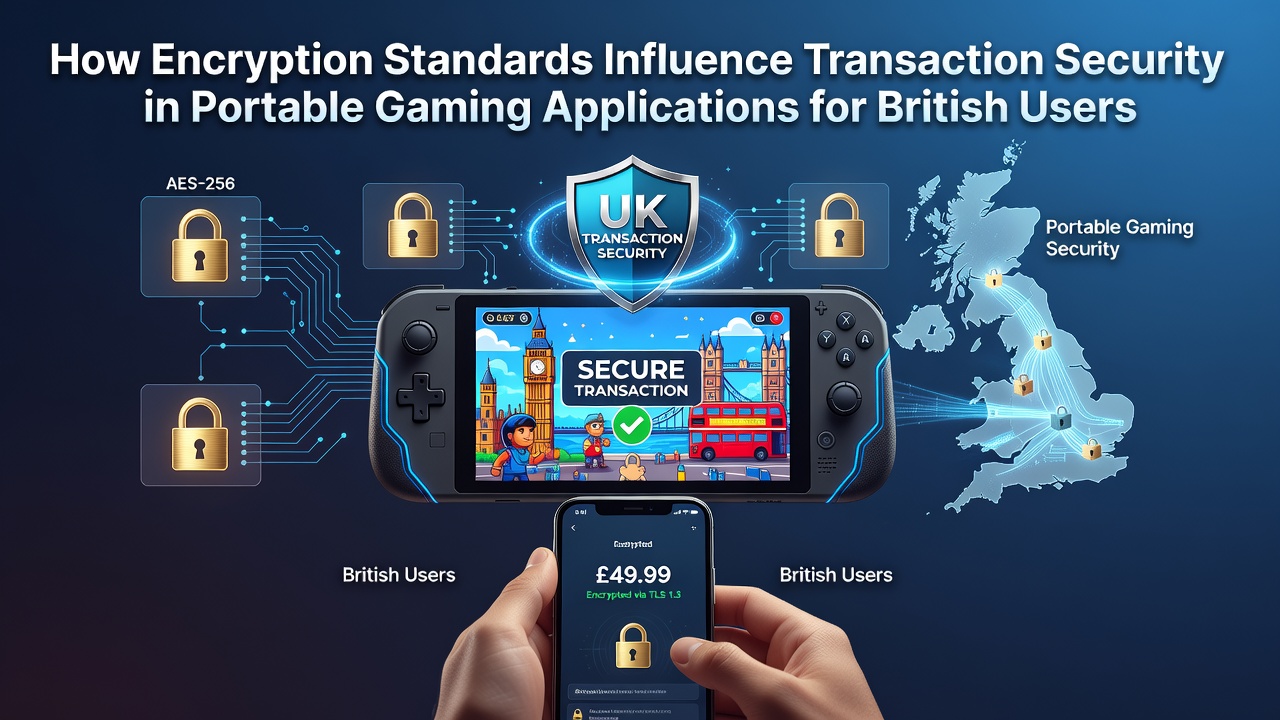
Encryption standards form the backbone of transaction security across portable gaming applications used by British players, where data moves constantly between devices and remote servers during deposits, withdrawals, and in-game purchases. Standards such as AES-256 for data at rest and TLS 1.3 for data in transit create layered protections that convert sensitive financial details into unreadable formats until they reach authorised endpoints, while mobile environments introduce unique variables like variable network connections and device storage practices that these protocols must address continuously.
Core Encryption Mechanisms in Portable Gaming
Developers integrate AES-256 encryption to safeguard stored user credentials and transaction histories on handsets, whereas TLS 1.3 handles real-time exchanges during payment processing by establishing secure channels that authenticate both the app and the payment gateway before any data transfer occurs. Research from the National Institute of Standards and Technology highlights how these combined approaches reduce risks associated with interception on public Wi-Fi networks commonly used by mobile players, and British applications often align their implementations with broader data protection requirements that emphasise end-to-end encryption during cross-border fund movements.
Session keys generated through elliptic curve cryptography further strengthen each transaction by limiting the lifespan of any single encryption key, which means even if one session faces compromise the exposure remains contained to that specific interaction rather than opening historical records. Observers note that portable gaming platforms serving British users frequently update these cryptographic libraries to maintain compatibility with evolving device operating systems released throughout 2025 and into June 2026.
Transaction Flow and Security Layers
When a British player initiates a deposit inside a gaming application the sequence begins with device-level authentication followed by encrypted transmission of card or wallet details through TLS-protected pathways that prevent man-in-the-middle attacks during the journey to the processing server. Once received, the data undergoes decryption only within secure enclaves before authorisation confirmation travels back under the same encrypted protocol, and this closed loop minimises opportunities for data leakage at any intermediate point.
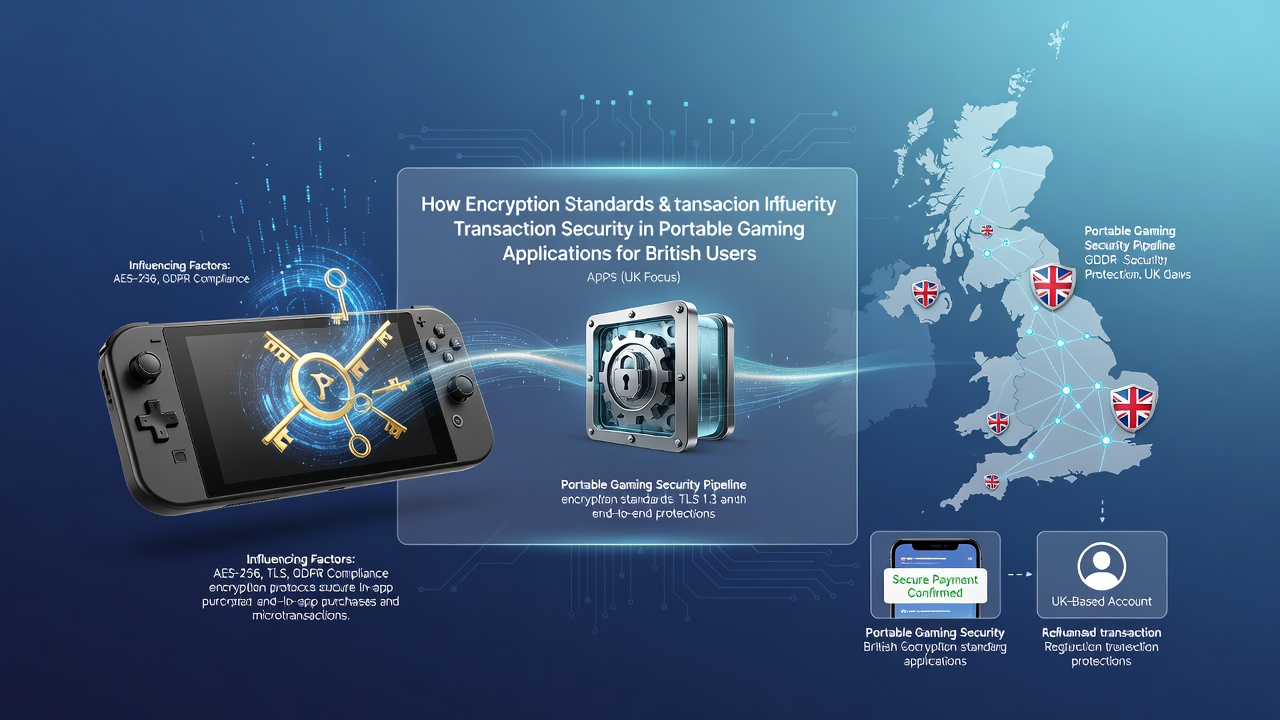
Additional safeguards include tokenisation that replaces actual payment credentials with unique identifiers stored separately from the main transaction database, a practice that aligns with recommendations issued by the European Payments Council for digital financial services. Portable applications incorporate these tokens so that even if device memory becomes accessible through unauthorised means the original banking information stays protected behind separate encryption keys managed on remote infrastructure.
Regulatory Context and Implementation Patterns
British portable gaming applications operate under frameworks that require demonstrable use of recognised encryption standards, prompting operators to adopt audited cryptographic modules certified under international schemes such as FIPS 140-2. Data from industry analyses conducted by the GSMA indicates that regions with high mobile gaming adoption, including the United Kingdom, show measurable declines in reported transaction fraud incidents following widespread deployment of TLS 1.3 across consumer applications.
Device manufacturers contribute through hardware-backed keystores that isolate encryption operations from the main processor, reducing exposure during key generation and storage phases. These hardware features work in tandem with software standards to create environments where British users experience fewer interruptions from security prompts while maintaining continuous protection throughout extended play sessions.
Emerging Challenges and Adaptations
Quantum computing developments prompt ongoing evaluation of current encryption methods, with organisations such as the University of Cambridge publishing studies that examine post-quantum cryptographic candidates suitable for integration into mobile payment stacks. Portable gaming providers serving British markets monitor these research outputs to prepare migration paths that preserve transaction security without degrading app performance on lower-powered handsets.
Network variability across the United Kingdom introduces occasional handshake delays during TLS negotiations, yet optimised implementations using session resumption techniques keep these interruptions brief while preserving the integrity of each encrypted exchange. Application developers test these configurations across multiple carrier networks to ensure consistent behaviour for users in both urban and rural locations.
Conclusion
Encryption standards continue to evolve alongside mobile technology and payment methods, delivering measurable improvements in transaction security for portable gaming applications accessed by British users. Continued alignment between cryptographic research, hardware capabilities, and regulatory expectations supports the maintenance of secure financial interactions across these platforms as usage patterns develop through 2026 and beyond.