1 Jun 2026
Encryption Pathways: Securing Player Data Streams During Rapid Casino Payouts Across Multiple Devices
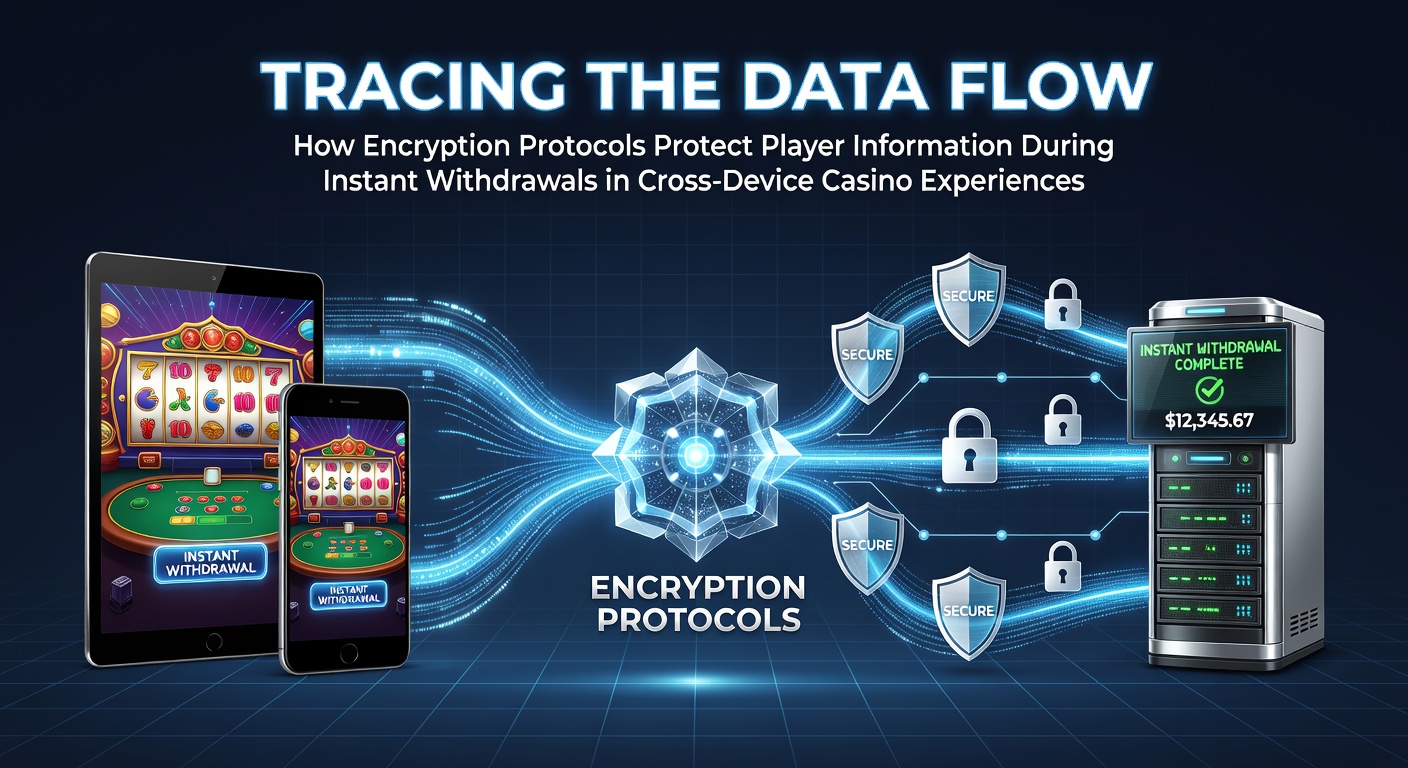
Player information moves through multiple checkpoints when instant withdrawals occur in cross-device casino environments, and encryption protocols form the protective layers around each transfer point. Data begins on a user's device, whether a smartphone, tablet, or desktop computer, then travels encrypted to backend servers that handle verification and fund release. Observers note that protocols such as Transport Layer Security and Advanced Encryption Standard operate continuously to scramble sensitive details including account numbers, transaction amounts, and personal identifiers.
Data Journey from Device to Server
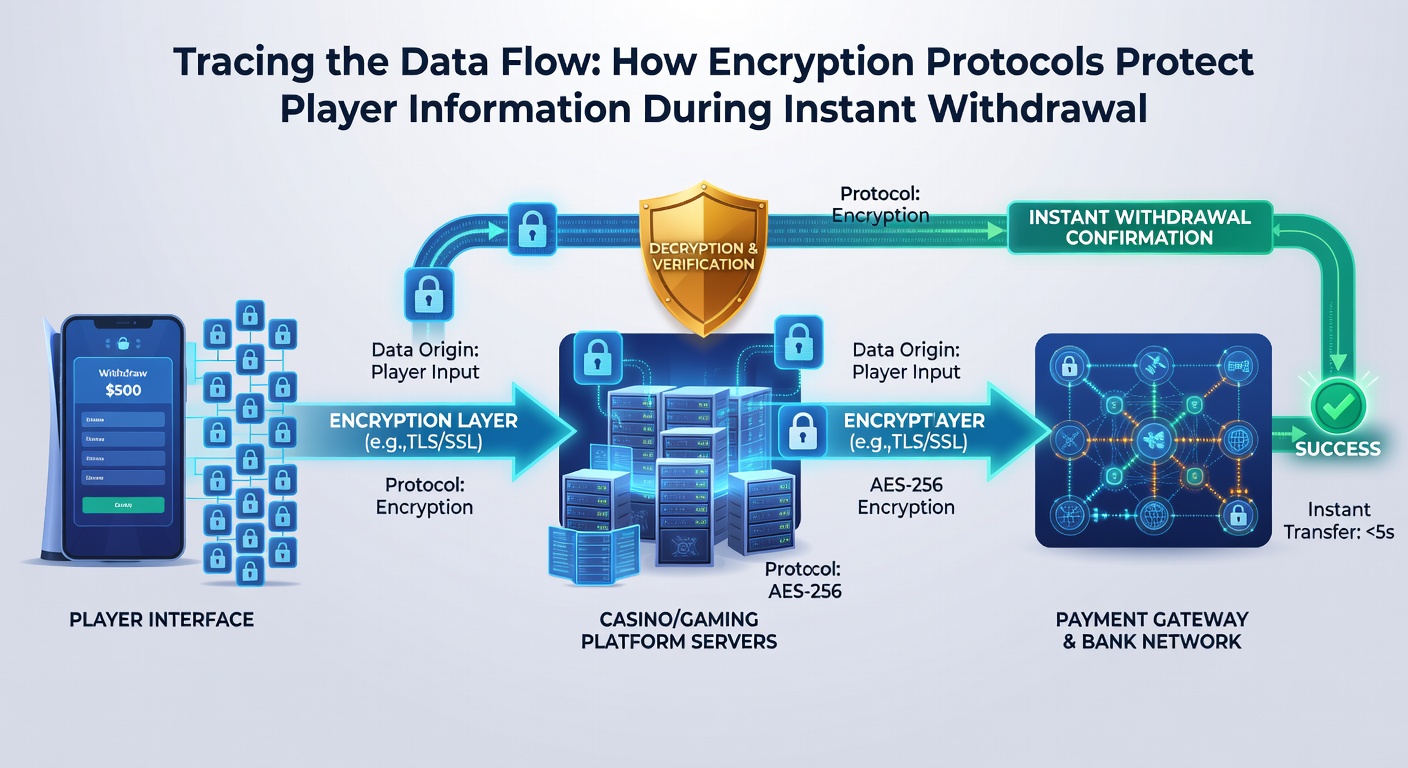
Once a player initiates a withdrawal request, the casino application packages the information and applies encryption before transmission begins. The process converts readable data into ciphertext using keys that only authorized systems can decode, and this step prevents interception while packets cross public networks. Researchers at institutions studying digital security have documented how session-specific keys rotate during extended cross-device sessions to maintain integrity across handoffs from one platform to another.
Systems track the data flow in real time so that when a withdrawal processes on a tablet after starting on a phone, the encrypted payload remains intact without re-entering plain text at any stage. Industry reports from the European Gaming and Betting Association highlight that these mechanisms reduce exposure windows during rapid payout sequences that finish within seconds.
Protocol Layers in Action
Encryption operates at several depths simultaneously. Network-level protection handles the initial transit, while application-level safeguards manage authentication tokens that confirm player identity without exposing full credentials. Database encryption protects stored records after funds move, ensuring that even archived transaction logs stay inaccessible to unauthorized parties. Data shows these layered approaches address both external threats and internal access risks in environments where players switch devices mid-session.
What's interesting is how key management systems distribute encryption credentials across geographically separated servers, and this distribution supports seamless experiences when a user logs in from a new location or hardware. Studies from academic centers focused on cybersecurity indicate that such distributed models limit single-point failures during high-volume withdrawal periods.
Cross-Device Continuity and Security
Cross-device casino platforms maintain synchronized states through encrypted channels that update in milliseconds. When a withdrawal request originates on one device and completes on another, the protocol stack verifies the session token at each transition without decrypting the core financial payload until it reaches the final processing node. Observers tracking these systems report that hardware-bound keys tied to specific devices add another verification step, preventing replay attacks that might attempt to duplicate withdrawal instructions.
Figures from regulatory bodies in Nevada reveal that operators must demonstrate end-to-end encryption capabilities during licensing reviews, and these requirements extend to all supported platforms including mobile and desktop variants. The same standards apply in jurisdictions across Australia where digital transaction oversight includes mandatory audits of data flow logs.
Instant Withdrawal Mechanics
Instant withdrawals rely on pre-verified player accounts and tokenized payment methods so that encrypted requests trigger automated fund transfers without manual intervention. The data flow includes checksums and digital signatures that confirm message authenticity before any money leaves the operator's controlled environment. Those who've examined transaction records note that failed attempts due to signature mismatches trigger immediate alerts without revealing underlying player details.
Integration with external payment processors occurs through dedicated encrypted tunnels that isolate casino systems from broader financial networks, and this isolation keeps withdrawal data compartmentalized even during peak activity periods in June 2026. Research indicates that such compartmentalization aligns with broader fintech practices adopted by multiple sectors beyond gaming.
Conclusion
Encryption protocols create traceable yet protected pathways for player information during instant withdrawals, and these mechanisms operate consistently across device types to support uninterrupted casino experiences. Regulatory frameworks in various regions continue to shape implementation details, while technical advancements in key distribution and session management sustain the security baseline. The data flow remains observable through audit trails that operators maintain without compromising the confidentiality of individual transactions.